A shopper should not have to wait for your marketing tools to finish loading. If product pages feel slow, review the tags competing with images, navigation, and checkout controls.
The aim is to reduce unnecessary browser work while keeping the events you need to understand the purchase journey.
Make every tag earn its place
A storefront has a limited amount of time to become useful. Product images, navigation, checkout controls, and accessibility features all need a place in that budget. Every additional browser request or script must earn its place.
This does not mean browser-based tracking is always wrong. Some interactions begin in the browser, and that context can be useful. The problem starts when measurement grows without ownership. Old tags remain active, several tools record the same event, and optional marketing requests compete with the experience customers came for.
A fast page with unreliable events is not enough. Neither is a complete event stream attached to a slow storefront. Good measurement protects both.
Move unnecessary work away from the critical journey
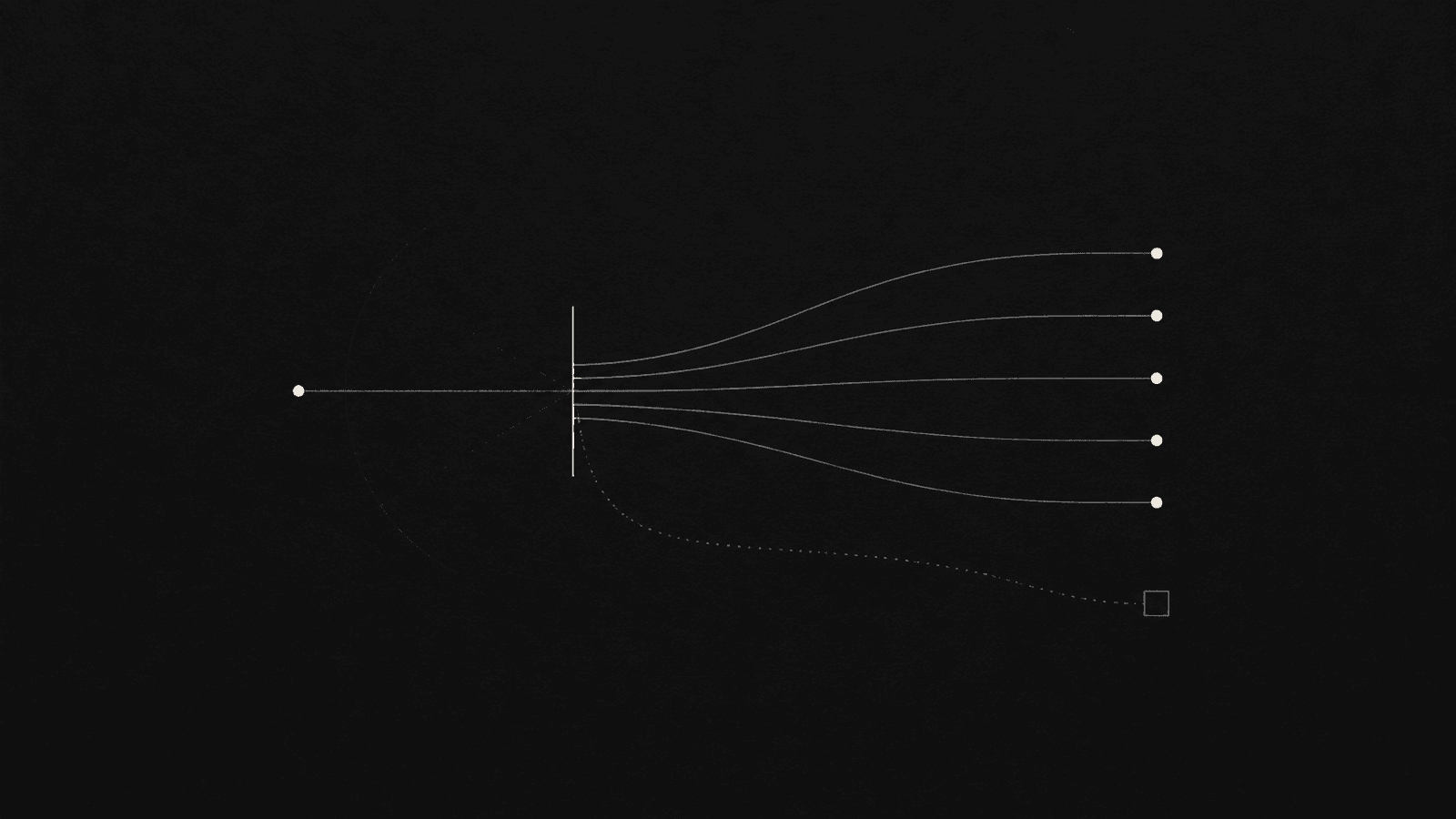
Server-side measurement changes where some of the work happens. The storefront can capture an essential interaction, while validation, enrichment, deduplication, and delivery happen away from the page.
This division of labor can reduce browser overhead and make event handling more consistent. It also creates a clearer place to decide what should be sent, what should be excluded, and how consent rules should be respected. It is not a shortcut around privacy, and it does not make every event automatically correct. The advantage is control.
Compare the experience and the evidence
List each active tag, its owner, the event it collects, and the decision that uses it. Measure the product, cart, and checkout journey on representative devices. Remove, defer, or move one unnecessary task, then repeat the same checks.
Improvement should be visible on both sides. The storefront should become responsive sooner, and important events should arrive once, with the right value and enough context to be useful. Watch customer-facing speed, event coverage, duplication, and reconciliation with actual orders.
Speed and signal are one system
Results vary by storefront, device, connection, and the amount of existing tracking. Broad performance promises are less useful than a controlled before-and-after comparison.
Keep a change only when the customer experience improves and the important events still reconcile with orders. If coverage, value accuracy, or deduplication deteriorates, repair the measurement gap before removing the previous path.